24/7 Emergency Response
Structural Drying in Gainesville, FL
Water can remain inside floors, walls, ceilings, and other building materials long after the visible water is gone. Professional structural drying in Gainesville, FL helps locate remaining moisture, dry affected materials, and reduce the risk of continued water damage.
Professional Structural Drying in Gainesville
Structural drying is the process of removing moisture from water-affected building materials and the surrounding environment after a leak, flood, or other water damage event.
Simply removing standing water does not always mean a property is dry. Moisture can move into drywall, wood, flooring, insulation, carpet padding, cabinets, and other materials where it may not be visible.
A proper drying plan considers the affected materials, the amount of moisture present, airflow, humidity, temperature, and the areas that need to be monitored during the drying process.
For properties with broader water damage, Gainesville water damage restoration services can include water removal, extraction, structural drying, cleanup, and additional restoration work.
Why Structural Drying Matters After Water Damage
Water can continue affecting building materials even after the surface appears dry.
Moisture that remains inside a structure may contribute to:
- Swelling or warping of materials
- Damage to flooring and subfloors
- Deterioration of drywall
- Persistent damp odors
- Moisture-related problems
- Conditions that support mold growth
The EPA recommends drying wet areas and materials as quickly as possible, generally within 24 to 48 hours when feasible, to help prevent mold growth.
The actual drying time can vary depending on the amount of water, materials involved, temperature, humidity, airflow, and how long the property remained wet.
What Areas Can Need Structural Drying?
Water does not always stay in the room where the original leak occurred. Depending on the situation, moisture may affect:
Floors and Subfloors
Water can move beneath flooring and into the subfloor. Hardwood, laminate, carpet, and other flooring materials may require different drying approaches.
Drywall and Walls
Drywall can absorb water and may retain moisture after the visible surface appears dry.
Ceilings
A roof leak, plumbing problem, or water from an upper floor can introduce moisture into ceilings and surrounding materials.
Cabinets and Vanities
Water can become trapped beneath cabinets, inside toe-kicks, and around plumbing connections.
Carpet and Padding
Carpet padding can hold substantial amounts of water and may remain damp underneath a carpet that feels relatively dry on top.
Wood Materials
Wood framing, subfloors, trim, and other materials can absorb moisture and may require monitoring during drying.
Other Concealed Areas
Moisture can also reach areas behind walls, underneath flooring, inside cabinets, and other locations that cannot be judged accurately by appearance alone.
Our Structural Drying Process
A structured drying process helps determine where moisture is present and what needs to be done to remove it.
1
Inspect the Water-Damaged Area
The affected property is assessed to understand where the water entered and which rooms or materials may have been affected.
2
Identify the Source and Extent of the Water
Understanding the source helps determine the type of water involved and where moisture may have traveled.
3
Check Moisture Levels
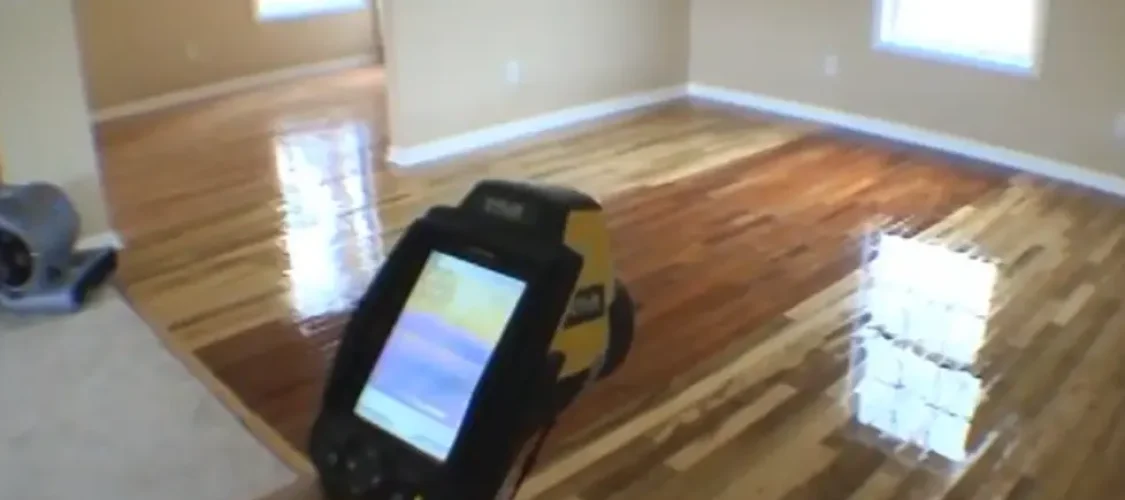
Moisture detection equipment can help identify moisture within building materials and areas that may appear dry on the surface.
The EPA notes that moisture meters can be used to determine moisture levels in building materials and help monitor drying progress.
4
Establish Air Movement
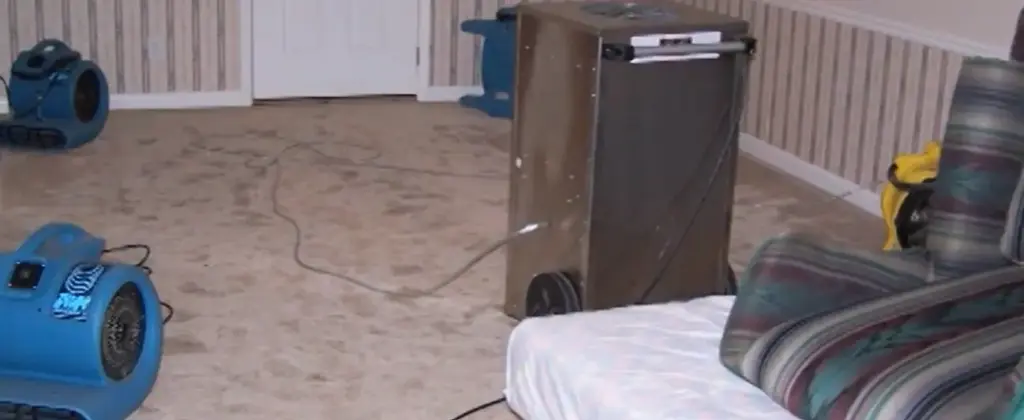
Air movement can help move moisture from affected materials into the surrounding air, where it can then be removed.
5
Control Humidity
Dehumidification can help remove moisture from the air and support the overall drying process.
6
Monitor the Drying Process
Drying should not simply be started and forgotten. Moisture levels and environmental conditions may need to be checked throughout the process.
7
Confirm Drying Progress
The affected materials are reassessed to determine whether additional drying is needed before the property moves toward repairs or other restoration work.
Professional structural drying practices are addressed by the IICRC S500 Standard for Professional Water Damage Restoration, which covers principles and procedures related to water restoration, building materials, psychrometry, drying technology, equipment, safety, documentation, and inspections.
Moisture Detection Is an Important Part of Drying
One of the most important parts of structural drying is knowing where moisture remains.
A surface inspection alone cannot always show how much water has entered a material.
Moisture meters can help identify elevated moisture levels in materials such as wood and drywall. Infrared imaging may also help identify areas that warrant further investigation, although it does not directly measure moisture by itself.
This information helps determine where drying equipment should be focused and whether drying is progressing as expected.
Drying Equipment Used for Water Damage
Different drying situations require different equipment and placement.
Depending on the property and the damage, professional drying may involve:
- Air movers
- Dehumidifiers
- Moisture meters
- Temperature and humidity monitoring
- Specialized extraction equipment
- Other drying and inspection tools
Equipment is not a substitute for assessment. Proper placement and monitoring are important because the goal is to remove moisture from affected materials, not simply move air around the room.
Hidden Moisture After a Water Leak
Hidden moisture is one reason a property can continue to have problems after the visible water has been removed.
For example, water from a leaking pipe may travel beneath flooring before the leak is discovered. A cabinet may appear dry from the outside while moisture remains underneath. Carpet may feel dry on top while the padding below is still wet.
Walls can also absorb water, particularly when a leak continues for an extended period.
If there is a possibility that water has moved beyond the visible area, moisture detection can help determine whether additional drying is necessary.
Structural Drying After Flooding and Storms in Gainesville
Gainesville properties can experience heavy rainfall and severe storms that may result in water intrusion or flooding.
The city’s stormwater environment includes waterways such as Hogtown Creek and Sweetwater Branch, along with other drainage areas throughout Gainesville.
Drying requirements after outside flooding can differ from those following an indoor plumbing leak. Floodwater may contain dirt, debris, microorganisms, or other contaminants.
If floodwater has entered a building, affected materials should be assessed carefully before drying and cleanup begin. Electrical hazards should also be considered when water has reached electrical outlets, equipment, or wiring.
Commercial Structural Drying in Gainesville
Commercial buildings may have larger areas and more materials affected by water.
Offices, retail properties, restaurants, rental properties, and other businesses may need drying for:
- Carpet
- Flooring
- Walls
- Ceilings
- Storage areas
- Cabinets
- Furniture
- Equipment areas
Commercial drying also needs to account for the property’s normal operations and which areas can be safely accessed during the process.
For extensive commercial losses, structural drying may become one part of a broader commercial water damage restoration project.
Residential Structural Drying in Gainesville
A residential water loss can affect more than the room where it started.
Structural drying may be needed in:
- Kitchens
- Bathrooms
- Bedrooms
- Living rooms
- Hallways
- Garages
- Laundry rooms
- Flooring and subfloors
- Walls and ceilings
For homeowners, one of the biggest concerns is often whether everything is actually dry. Proper moisture inspection and monitoring can provide a clearer picture than simply waiting for surfaces to feel dry.
How Long Does Structural Drying Take?
There is no universal drying time.
The timeline depends on:
- Amount of water
- Type of water
- Materials affected
- Moisture levels
- Size of the affected area
- Temperature
- Humidity
- Air movement
- Building conditions
- How long the materials were exposed to water
Some situations may dry relatively quickly, while materials with significant moisture absorption can require a longer drying process.
Rather than relying on a fixed number of hours, moisture measurements and drying progress provide a better way to determine when affected materials are ready for the next stage.
Can Structural Drying Prevent Mold?
Proper drying can help reduce the moisture conditions that allow mold to grow.
The EPA identifies moisture control as an important part of mold prevention and recommends drying wet materials as quickly as possible, generally within 24 to 48 hours when feasible.
Structural drying does not guarantee that mold will never develop. The result depends on how quickly moisture is addressed, the extent of the water damage, the materials involved, and other environmental conditions.
If mold is already present, additional mold assessment and remediation may be required.
Structural Drying vs. Water Removal
These services are closely connected but have different purposes.
Water Removal
Structural Drying
What Happens After Structural Drying?
Once affected materials have reached appropriate drying conditions, the property can move toward the next stage of restoration.
Depending on the damage, this may include:
- Final cleanup
- Flooring repairs
- Drywall repairs
- Cabinet repairs
- Painting
- Replacement of damaged materials
- Content restoration
- Additional restoration work
Not every water damage project requires major repairs. The scope depends on what was affected and whether the materials could be properly restored.
Frequently Asked Questions
Common questions about structural drying after water damage.
Structural drying is the process of removing remaining moisture from water-affected building materials and the surrounding environment after water damage.
Removing standing water does not necessarily remove moisture absorbed by floors, drywall, wood, carpet padding, and other materials. Structural drying addresses this remaining moisture.
Visual inspection alone may not be enough. Moisture detection equipment can help identify elevated moisture levels within building materials and monitor drying progress.
The timeline varies depending on the amount of water, materials affected, environmental conditions, and moisture levels. Drying should be based on actual conditions rather than a fixed timeline.
Depending on the situation, professional drying may use air movers, dehumidifiers, moisture meters, environmental monitoring equipment, and extraction equipment.
For a minor clean-water incident, basic airflow may help with surface drying. However, larger water losses can involve hidden moisture that household fans cannot adequately address. Professional assessment may be appropriate when moisture has entered building materials or spread beyond the visible area.
Fast moisture removal and proper drying can reduce conditions that support mold growth. If mold is already present, drying alone will not remove it and additional remediation may be necessary.
Need Structural Drying in Gainesville, FL?
Water damage does not end when the visible water disappears. Moisture can remain inside flooring, walls, carpet padding, cabinets, and other building materials.
Gainesville Restoration Group provides structural drying for residential and commercial properties in Gainesville, FL, with drying focused on identifying remaining moisture, addressing affected materials, and moving the property toward restoration.