24/7 Emergency Response
Sewage Cleanup in Gainesville, FL
Sewage backups and wastewater overflows can contaminate floors, walls, carpets, and other building materials. Sewage cleanup in Gainesville, FL involves removing contaminated water, addressing affected materials, and managing the moisture left behind.
If sewage has entered your home or business, avoid direct contact with the wastewater and keep children and pets away from the affected area.
What Is Sewage Cleanup?
Sewage cleanup is the process of removing wastewater contamination and addressing affected surfaces, materials, and moisture.
Unlike a clean-water plumbing leak, sewage may contain harmful microorganisms and other contaminants. The appropriate cleanup method depends on where the water came from, what it touched, and how far it spread.
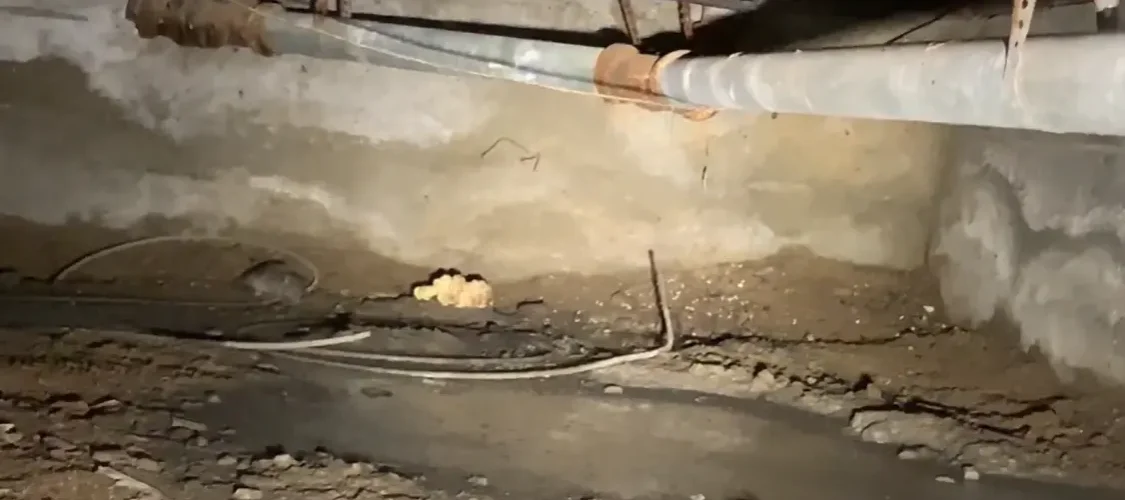
Wastewater can move underneath flooring, into carpet padding, behind cabinets, and into other concealed areas. Cleaning only the visible water may leave contamination behind.
Common Causes of Sewage Problems in Gainesville
Sewage cleanup may be needed after:
- Sewer line backups or blockages
- Toilet overflows involving wastewater
- Clogged drain or floor drain backups
- Damaged sewer pipes
- Plumbing failures
- Septic system problems affecting indoor areas
- Flooding involving suspected sewage contamination
The source must be controlled before cleanup can be completed. Otherwise, contaminated water may continue entering the property.
Toilet Overflow vs. Sewage Backup
Not every toilet overflow presents the same cleanup requirements.
An overflow involving clean supply water differs from wastewater backing up through a drain or sewer line. A sewage backup can contaminate flooring, carpet, belongings, and other materials.
If wastewater has spread beyond a small, easily controlled area, avoid unnecessary contact and seek an appropriate assessment before attempting extensive cleanup.
Our Sewage Cleanup Process
The exact process depends on the contamination source, affected materials, and extent of the damage.
1
Assess the Affected Area
Identify where the wastewater entered, how far it spread, and which surfaces or materials may be contaminated.
2
Control the Source
Stop or control the source of wastewater before proceeding with cleanup. Plumbing or sewer repairs may be necessary.
3
Remove Contaminated Water
Standing wastewater is removed using appropriate equipment and safe handling procedures.
4
Clean and Disinfect Suitable Surfaces
Affected surfaces that can be safely restored are cleaned and disinfected using methods appropriate for the materials and contamination involved.
5
Remove Unsalvageable Materials
Porous materials that have absorbed sewage may require removal if they cannot be adequately cleaned. The decision depends on the material, contamination, and extent of exposure.
6
Dry and Monitor the Structure
After contamination has been addressed, remaining moisture may require structural drying and monitoring.
7
Review the Affected Areas
The final assessment should identify any remaining moisture, damaged materials, or additional restoration work required.
What Can Be Cleaned and What May Need Removal?
Not every sewage-affected item needs to be discarded, but some materials cannot be safely restored.
The decision depends on:
- Material type and porosity
- Amount and type of contamination
- Length of exposure
- Condition of the material
- Whether adequate cleaning is possible
- Whether the material can be dried properly
Nonporous surfaces may be easier to clean than porous materials such as carpet padding or contaminated drywall. A suitable assessment helps determine whether an item should be cleaned, restored, or removed.
Hidden Sewage Contamination and Odor
Sewage does not always remain in the area where it first appears. Wastewater may move beneath flooring, behind baseboards, under cabinets, or into subfloors and wall cavities.
Odors can also remain after visible wastewater has been removed. The source may be contaminated materials, residue, or moisture in concealed areas.
Air fresheners may temporarily cover an odor without resolving the cause. Effective cleanup focuses on the contamination source, affected materials, and remaining moisture.
Residential Sewage Cleanup in Gainesville
Sewage backups can affect bathrooms, kitchens, laundry rooms, hallways, and living areas. Carpet, flooring, cabinets, drywall, furniture, and personal belongings may also be affected.
Homeowners should avoid unnecessary contact with contaminated water and keep children and pets away. If electrical outlets, appliances, or wiring may have been exposed to water, do not enter the affected area until electrical hazards have been addressed.
For related property damage, learn more about our water damage restoration services in Gainesville.
Commercial Sewage Cleanup in Gainesville
Commercial properties, including offices, retail spaces, restaurants, and rental buildings, can experience wastewater problems that affect floors, restrooms, storage areas, inventory, equipment, and employee or customer spaces.
The cleanup plan depends on the source and extent of contamination, the affected materials, and the requirements for returning the area to normal use.
Sewage Cleanup After Heavy Rain and Flooding
Gainesville experiences localized flooding associated with heavy rainfall, severe thunderstorms, and drainage capacity. The city’s official floodplain management information identifies local waterways and explains how intense rainfall can contribute to flooding.
Floodwater should not automatically be assumed to be clean. If water entering a property may contain sewage or other contaminants, avoid direct contact until the situation has been assessed.
For related storm damage, see our flood and storm water damage restoration service.
Can Sewage Damage Cause Mold?
Yes. Sewage contamination and mold growth are different problems, but both can affect the same property.
If building materials remain damp, moisture may create conditions that support mold growth. The EPA recommends drying wet materials within 24–48 hours when possible to help prevent mold.
Sewage contamination must be handled appropriately before drying proceeds. If mold is already present, additional remediation may be required.
How Much Does Sewage Cleanup Cost in Gainesville?
Sewage cleanup costs vary according to:
- Size of the affected area
- Amount and type of contamination
- Water removal requirements
- Cleaning and disinfection needs
- Materials requiring removal
- Structural drying and restoration work
An assessment helps determine the scope of work. Insurance coverage also varies by policy, so check with your insurer about any applicable sewer or drain backup coverage.
How Long Does Sewage Cleanup Take?
There is no fixed timeline for every sewage cleanup project. The duration depends on the size of the affected area, the contamination source, materials involved, cleaning requirements, and any necessary demolition or structural drying.
A small, isolated overflow may require less work than a sewer backup that has spread across several rooms. The actual scope depends on the property’s condition.
Sewage Cleanup FAQs
Common questions about sewage backups, cleanup, and restoration.
What should I do first after a sewage backup?
Keep people and pets away from the affected area. Avoid contact with wastewater, and arrange an appropriate assessment. Do not enter an area with possible electrical hazards.
Is sewage cleanup dangerous?
Sewage can contain harmful microorganisms and other contaminants. The risks depend on the source and extent of contamination, so suitable precautions are important.
Can carpet be saved after a sewage backup?
It depends on the carpet, padding, type of contamination, and length of exposure. Some porous materials may not be suitable for restoration and may need removal.
How long does sewage cleanup take?
The timeline depends on the affected area, contamination, materials, and required cleaning, removal, and drying work.
Can sewage odor be removed?
Odors can often be addressed by removing the contamination source, cleaning affected materials, and addressing remaining moisture. Covering the smell without treating its source may not resolve the problem.
Does homeowners insurance cover sewage cleanup?
Coverage depends on the cause of the backup, policy terms, and any applicable exclusions or endorsements. Contact your insurer to confirm your coverage.
Should I use bleach to clean sewage?
Do not treat substantial sewage contamination as an ordinary household cleaning task. Appropriate cleaning and disinfection methods depend on the contamination and affected materials. Seek qualified help when safety is uncertain, and never mix bleach with other cleaning products.
Need Sewage Cleanup in Gainesville, FL?
A sewage backup can affect more than the area where wastewater is visible. Contamination and moisture may reach flooring, carpet padding, walls, cabinets, and other materials.
If your property has a sewage backup, avoid contact with the affected area and arrange appropriate cleanup assistance.