24/7 Emergency Response
Mold Remediation in Gainesville, FL
Mold growth can develop when moisture remains inside walls, flooring, ceilings, or other building materials. Gainesville Restoration Group helps address mold problems in Gainesville, FL, with a focus on affected areas and the moisture conditions that allow mold to grow.
Whether mold follows a plumbing leak, roof damage, or indoor moisture problem, addressing the source is an important part of the cleanup process.
Professional Mold Remediation in Gainesville
Mold remediation involves addressing existing mold growth, cleaning or removing affected materials as appropriate, and correcting the moisture problem that allowed it to develop.
Simply covering mold with paint or cleaning only the visible surface may not resolve the underlying issue. Mold can sometimes grow in areas that are difficult to see, including behind drywall, beneath flooring, and around leaking pipes.
For affected properties, the right approach depends on the extent of growth, the materials involved, and the source of moisture.
Common Causes of Mold Growth
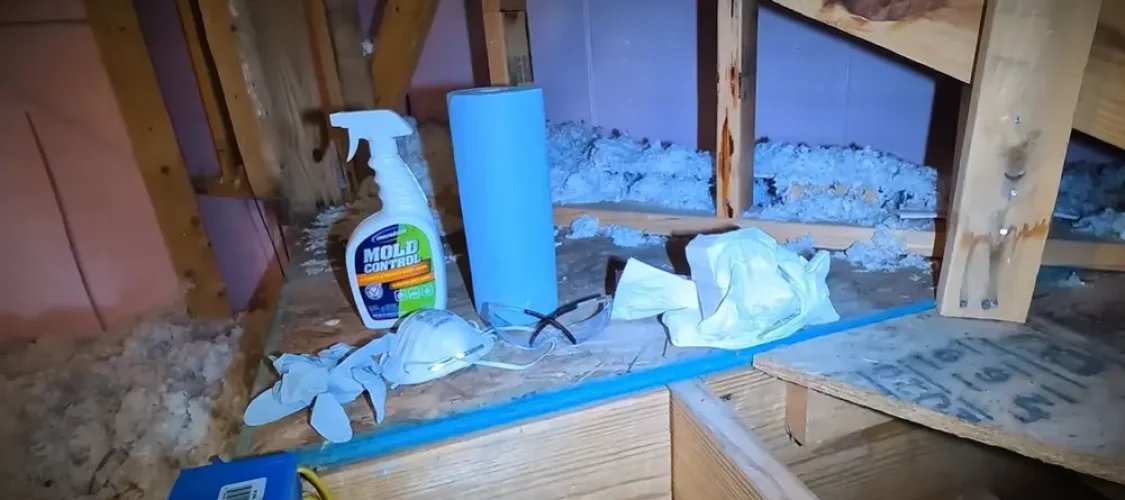
Mold can develop in Gainesville properties when moisture is allowed to remain indoors. Common causes include:
- Plumbing leaks and burst pipes
- Roof leaks after heavy rain
- Flooding and storm-related water damage
- Damp walls, ceilings, and flooring
- Bathroom moisture and ventilation problems
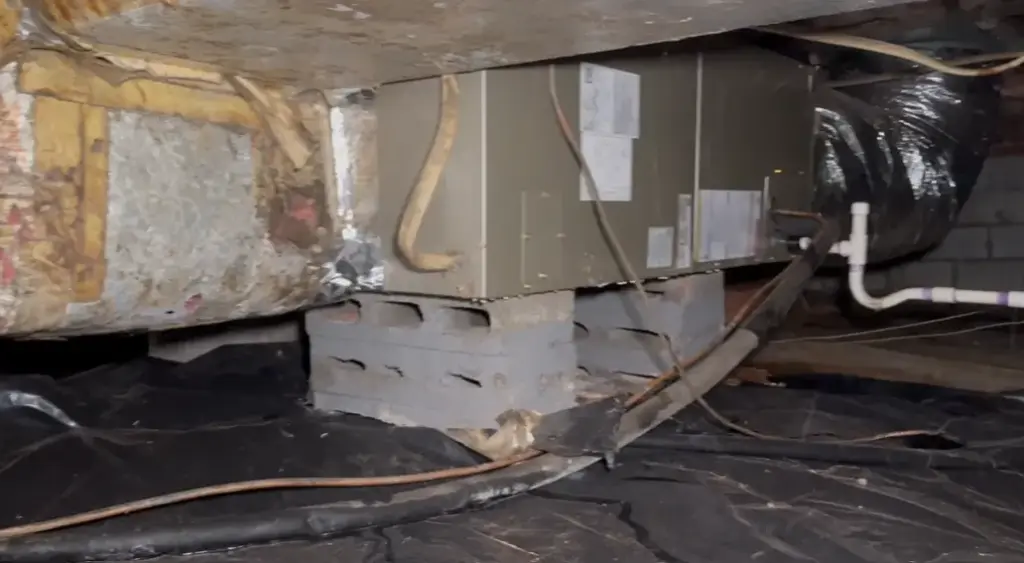
- Air conditioning condensation or drainage issues
- Moisture trapped behind cabinets or drywall
Finding and correcting the moisture source is essential to help reduce the risk of mold returning.
Signs of Mold in Your Property
Mold is not always visible immediately. Look for warning signs such as:
- Visible spots or patches on walls and ceilings
- Persistent musty odors
- Peeling paint or bubbling wall finishes
- Discoloration around windows or plumbing fixtures
- Damp drywall, flooring, or baseboards
- Repeated moisture problems in the same area
These signs do not always confirm mold by themselves. If mold may be hidden inside a wall or another enclosed area, an appropriate professional assessment can help determine the next steps.
Our Mold Remediation Process
The remediation approach depends on the size and condition of the affected area. A typical process may include:
1
Evaluate the Affected Area
Identify visible mold, moisture concerns, and materials that may require further assessment.
2
Address the Moisture Source
Repairing leaks or correcting other moisture problems helps prevent continuing water damage and recurring mold growth.
3
Protect Unaffected Areas
Where necessary, appropriate containment and protective measures help limit the spread of mold-containing dust and debris during remediation.
4
Clean or Remove Affected Materials
Depending on the material and extent of contamination, affected surfaces may be cleaned, while damaged porous materials may require removal and replacement.
5
Dry and Review the Area
Remaining moisture must be addressed. Follow-up checks can help determine whether the moisture problem has been corrected and whether additional work is needed.
Residential Mold Remediation in Gainesville
Mold can affect houses, apartments, rental properties, and other residential buildings. Leaking pipes, roof damage, bathroom moisture, and previous flooding are common reasons to investigate possible mold growth.
Our residential service page is intended for Gainesville homeowners and property managers dealing with suspected or visible mold.
If mold appears after a leak or flooding, the property may also need water damage restoration in Gainesville and proper structural drying to address the original moisture problem.
Commercial Mold Remediation
Mold concerns can affect offices, retail spaces, rental buildings, and other commercial properties. Persistent moisture may damage interior finishes and require attention before affected areas can be restored.
The appropriate remediation plan depends on the type of property, affected materials, extent of mold growth, and any operational requirements. Larger or more complex cases may need specialist assessment and coordinated restoration work.
Mold After Water Damage
Water damage and mold growth are closely related, but they are not the same problem. Water damage describes the effects of unwanted water, while mold remediation addresses existing mold growth and related contamination.
The US Environmental Protection Agency recommends drying wet or damp materials within 24–48 hours when possible to help prevent mold growth. The time needed to dry a property depends on the extent of the water damage and the materials affected.
If a leak or flood has left materials wet, our structural drying services can address the moisture side of the problem. Existing mold may require additional, separate remediation.
How to Help Prevent Mold Growth
These steps can help reduce moisture problems in your property:
- Fix plumbing and roof leaks promptly.
- Dry wet materials as soon as possible.
- Use bathroom and kitchen exhaust fans where appropriate.
- Keep indoor humidity under control.
- Check areas around air conditioning equipment for leaks or condensation.
- Investigate recurring dampness instead of repeatedly covering stains.
The key is to control moisture rather than simply treating visible mold.
Mold Remediation FAQs
Common questions about mold and moisture after water damage.
Can water damage cause mold?
Yes. Mold can grow when moisture remains on or inside building materials. Prompt drying and correction of the water source help reduce the risk.
Can mold grow behind walls?
Yes. Hidden leaks and trapped moisture can allow mold to develop behind drywall or other materials. Visible signs may not show the full extent of the problem.
Is mold removal the same as mold remediation?
The terms are often used interchangeably. Mold remediation generally refers to the broader process of addressing existing growth, managing affected materials, and correcting the moisture source.
Does painting over mold solve the problem?
No. Painting over affected surfaces does not address the underlying moisture or remove existing mold contamination.
How long does mold remediation take?
The timeline varies depending on the area affected, the materials involved, the moisture source, and whether demolition or replacement is necessary. An appropriate assessment helps determine the scope of work.
Can mold return after remediation?
Mold can return if moisture problems continue. Correcting leaks, drying affected materials, and controlling indoor humidity are important prevention steps.
Need Mold Remediation in Gainesville, FL?
Do not ignore recurring moisture, visible mold, or persistent musty odors. Identifying the underlying problem helps determine the right cleanup and restoration approach.
Contact Gainesville Restoration Group to discuss mold concerns at your home or business in Gainesville, Florida.