24/7 Emergency Response
Residential Water Damage Restoration in Gainesville, FL
Water damage can disrupt a home quickly, whether it comes from a burst pipe, appliance leak, roof damage, flooding, or an overflowing bathroom fixture. Gainesville Restoration Group helps homeowners address water, moisture, affected materials, and the cleanup and drying needed to restore the property.
Water Damage Restoration for Gainesville Homes
Water inside a home can spread farther than the area where it first appears. Water may move beneath flooring, into carpet padding, behind cabinets, or inside walls before the damage becomes obvious.
Residential restoration starts by understanding where the water came from and which parts of the home were affected. Depending on the situation, the work may involve water removal, extraction, moisture detection, structural drying, cleanup, and restoration.
For homeowners dealing with a larger water loss, Gainesville water damage restoration can help address the problem from the initial assessment through the drying and restoration stages.
Common Causes of Residential Water Damage
Homes in Gainesville can experience water damage from many different sources.
Burst and Leaking Pipes
A broken or leaking pipe can release a significant amount of water into floors, walls, ceilings, and nearby rooms.
Water Heater Leaks
A failed water heater can release water around utility areas, garages, laundry rooms, or other parts of the home.
Washing Machine and Appliance Leaks
Washing machines, dishwashers, refrigerators, and other appliances can leak and damage nearby flooring and cabinets.
Toilet and Plumbing Overflows
An overflowing toilet or plumbing fixture can affect bathrooms and surrounding areas. The appropriate cleanup depends on the source and type of water involved.
Roof Leaks
Damaged roofing can allow rainwater into attics, ceilings, walls, and other parts of the home, particularly during heavy weather.
Flooding and Storm Water
Heavy rainfall and storms can introduce outside water into homes through roofs, doors, windows, garages, or low areas around the property.
Areas of a Home That Can Be Affected
Water damage is not limited to the floor.
Depending on the source, residential water damage can affect:
- Floors
- Subfloors
- Carpet and padding
- Drywall
- Ceilings
- Baseboards
- Cabinets
- Walls
- Attics
- Garages
- Laundry rooms
- Furniture
- Personal belongings
Water can also move from one room to another. A leak that begins in a bathroom, for example, may affect flooring or walls outside the original area.
Our Residential Water Damage Restoration Process
Every home is different, but the restoration process may include several important stages.
1
Assess the Damage
The affected areas are inspected to determine where water entered and how far it may have traveled.
2
Identify the Water Source
The source should be controlled whenever possible before additional damage occurs.
3
Remove Standing Water
If water remains inside the home, appropriate removal and extraction methods may be used.
4
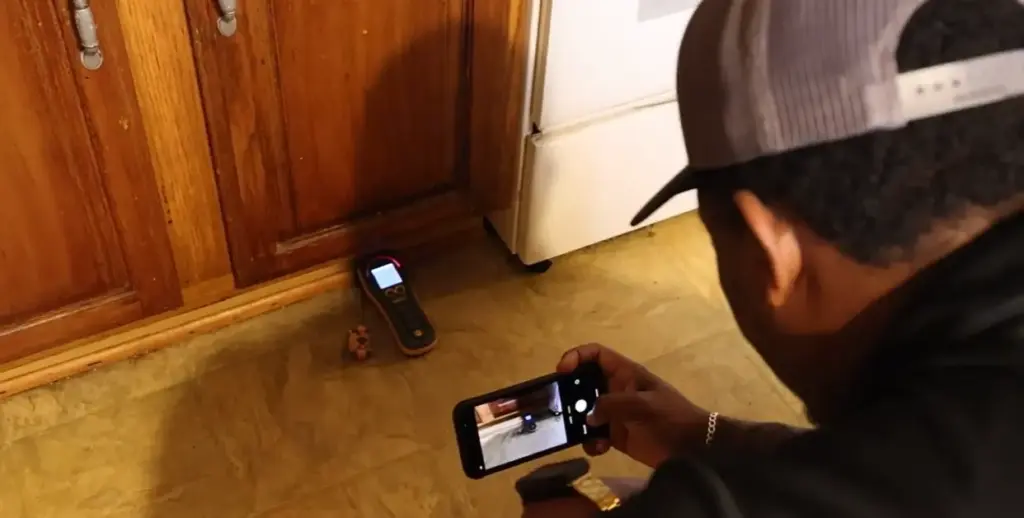
Check for Hidden Moisture
Moisture can remain under flooring, behind cabinets, inside walls, or beneath carpet padding. Moisture detection can help identify areas that need additional attention.
5
Clean Affected Areas
Affected surfaces, materials, and contents are assessed and cleaned according to their condition and the type of water involved.
6
Dry the Structure
Air movement, dehumidification, and other drying methods may be used to remove remaining moisture from affected materials.
7
Monitor Drying Progress
Moisture levels can be monitored during the drying process rather than relying only on whether surfaces feel dry.
Hidden Water Damage in Your Home
One of the most difficult parts of residential water damage is moisture that cannot be seen.
A floor may look dry while moisture remains underneath. Carpet can feel dry on top while the padding below remains wet. Water entering a wall can also travel along framing before becoming visible.
Common areas where hidden moisture may remain include:
- Under flooring
- Inside walls
- Behind cabinets
- Beneath carpet padding
- Around plumbing connections
- Inside ceilings
- In subfloors
- Around windows and doors
This is why a proper assessment can be more useful than judging the damage by appearance alone.
Residential Water Damage in Gainesville Neighborhoods
Water damage can affect homes throughout Gainesville, from established residential areas near downtown to newer communities farther southwest.
Residential restoration may be needed in areas such as:
- Downtown Gainesville
- Duckpond
- College Park
- University Heights
- Midtown
- Pleasant Street
- Porters Quarters
- Springhill
- Southwest Gainesville
- Haile Plantation
- Tioga
- Areas around the University of Florida
Different homes can have different restoration needs. A historic property in Duckpond may have different construction materials and layouts from a newer home in a developing residential area.
Gainesville’s student and rental housing market also means that water damage can affect homes, apartments, and rental properties where a plumbing issue may disrupt multiple living spaces.
Residential Water Damage After Heavy Rain in Gainesville
Heavy rainfall can create water intrusion problems even when there is no plumbing failure inside the home.
Rainwater may enter through:
- Damaged roofs
- Windows
- Doors
- Garages
- Wall openings
- Poorly protected exterior areas
Gainesville’s stormwater environment includes waterways and drainage areas such as Hogtown Creek and Sweetwater Branch. The City of Gainesville also identifies portions of the city within FEMA-designated flood zones.
This does not mean every property experiences the same flood risk. Water movement depends on the specific property, drainage conditions, weather event, and point of entry.
Water Damage in Gainesville Rental and Student Housing
Water damage can be especially disruptive in rental properties and housing around the University of Florida.
A leaking bathroom fixture, washing machine, pipe, or appliance can affect more than one room or even more than one unit in a multi-unit property.
Property owners and managers should address water intrusion promptly and document affected areas. Tenants should report active leaks or water damage to the property owner or manager as soon as possible.
When multiple units or shared building areas are affected, the scope of restoration may require additional assessment and coordination.
Water Damage Cleanup for Home Contents
Water can damage more than the structure of a home.
Depending on the incident, water may affect:
- Furniture
- Clothing
- Books
- Boxes
- Electronics
- Household items
- Personal belongings
The condition of each item can vary. Some belongings may be cleanable and restorable, while others may be too damaged or contaminated.
Contents should be assessed based on the type of material, the source of the water, how long the item was exposed, and its overall condition.
Why Fast Water Damage Response Matters
Water can continue spreading after it enters a home.
The sooner the source is controlled and excess water is addressed, the less opportunity there may be for moisture to move into additional materials.
The EPA recommends drying wet materials and areas within 24 to 48 hours when possible to help prevent mold growth. Actual drying time varies depending on the amount of water, materials involved, temperature, humidity, and other conditions.
Fast action does not mean rushing into an unsafe area. If water has reached electrical systems or other hazards, safety should come first.
Can Residential Water Damage Cause Mold?
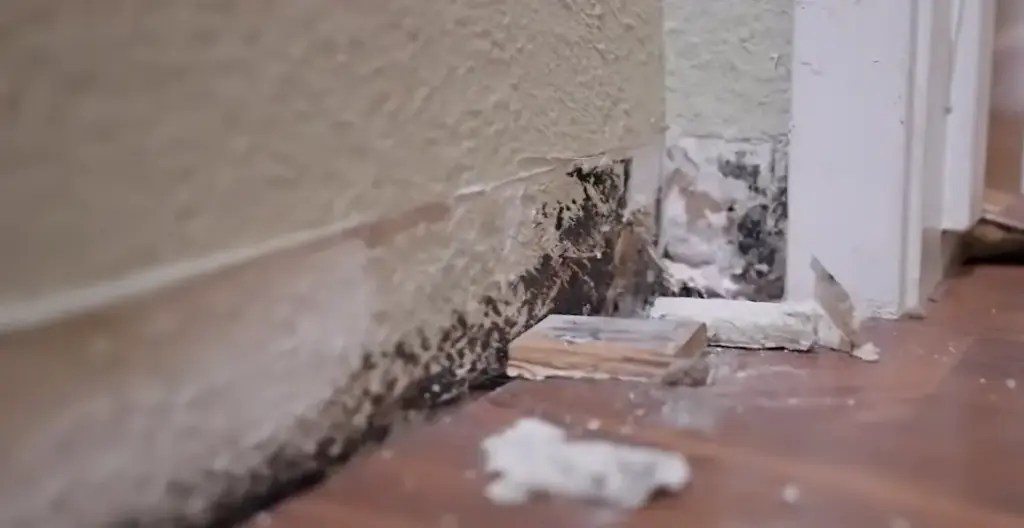
Yes. Water damage can create conditions that support mold growth when materials remain damp.
Mold needs moisture to grow, which makes moisture control an important part of water damage restoration.
Water can remain inside drywall, wood, carpet padding, flooring, cabinets, and other materials even when the surface appears dry.
Removing water, cleaning affected areas, and properly drying the structure can help reduce prolonged moisture conditions. If mold is already present, however, additional mold assessment and remediation may be necessary.
Water Damage Restoration vs. Water Damage Repair
These terms describe different stages of dealing with a damaged home.
Water damage restoration focuses on addressing the effects of the water loss, including removal, cleanup, drying, and related restoration work.
Water damage repair refers more specifically to repairing or replacing building materials that were damaged and could not be restored.
For example, a water-damaged wall may first need assessment and drying. If the drywall cannot be restored, it may then require removal and replacement.
How Long Does Residential Water Damage Restoration Take?
There is no fixed timeline for every home.
The restoration time can depend on:
- Amount of water
- Size of the affected area
- Source of the water
- Type of water
- Materials affected
- How long materials remained wet
- Hidden moisture
- Drying conditions
- Contents involved
- Repairs required
A small appliance leak may require a much smaller restoration effort than flooding that affects multiple rooms.
How Much Does Residential Water Damage Restoration Cost?
The cost varies from one property to another.
Factors that can affect the overall cost include:
- Size of the affected area
- Amount of water
- Type of water
- Flooring and wall materials
- Contents affected
- Water removal requirements
- Cleaning requirements
- Structural drying
- Material removal
- Repairs and replacement
An assessment of the actual damage provides a more useful basis for determining the scope of work than a generic price estimate.
Does Homeowners Insurance Cover Water Damage?
Coverage depends on the cause of the water damage and the terms of your insurance policy.
A sudden water loss caused by a covered event may be treated differently from flooding, gradual leaks, or maintenance-related problems.
Flood insurance is also separate from standard homeowners or renters insurance. If your home has experienced water damage, document the condition and contact your insurance provider to understand your coverage.
Frequently Asked Questions
If it is safe, stop the source of the water and keep people away from affected areas. Avoid electrical hazards and document the damage. Significant water damage should be assessed professionally.
Yes. Water can move into wall cavities and other concealed areas. Moisture detection can help identify areas that are not obvious during a visual inspection.
Wet materials should be addressed as quickly as possible. The EPA recommends drying wet areas and materials within 24 to 48 hours when possible to help reduce mold growth conditions.
Not always. Whether flooring can be restored depends on the material, type of water, amount of exposure, and condition of the flooring and underlying materials.
Yes. Water can travel underneath flooring, through walls, and into connected areas. The visible location of the water does not always represent the full affected area.
Coverage depends on the cause of the damage and your specific policy. Contact your insurance provider for information about your particular situation.
It depends on the size and severity of the damage, affected materials, moisture levels, drying conditions, and repairs required.
Need Residential Water Damage Restoration in Gainesville?
Water damage can spread beyond the area where it first appears. Floors, walls, cabinets, carpet padding, ceilings, and personal belongings may all require attention depending on the source and extent of the water.
Gainesville Restoration Group provides residential water damage restoration throughout Gainesville, FL, including water removal, cleanup, structural drying, and restoration support.
If your home has active water damage, call now for emergency water damage help in Gainesville.